Strange Tales from a Lonely Studio
Overview
Strange Tales from a Lonely Studio is a contemporary media program produced by Youku, inspired by the classic Qing Dynasty (1644-1912) collection of short stories Liaozhai Zhiyi or Strange Tales from a Lonely Studio, penned by Pu Songling. The program seeks to breathe new life into these historical supernatural tales by providing modern interpretations and insights, aiming to resonate with today's audience.
Historical Background
The original Liaozhai Zhiyi, written by Pu Songling in the 17th century, is a collection of 496 stories that explore supernatural themes intertwined with moral lessons and reflections on human nature. This work has been a significant cultural touchstone in China, inspiring numerous adaptations, including films such as A Chinese Ghost Story (1987) and Painted Skin (2008). The collection is renowned for its imaginative storytelling, blending elements of folklore, fantasy, and ethical dilemmas.
Program Concept and Development
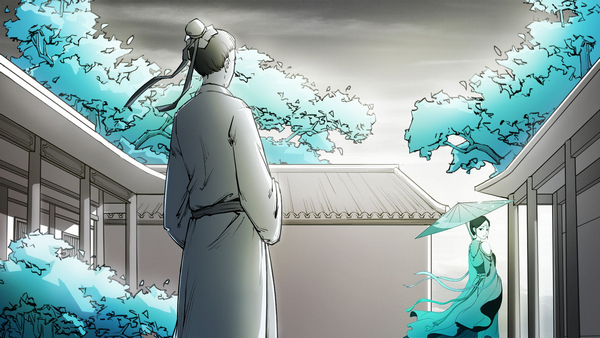
Strange Tales from a Lonely Studio is hosted by Zhang Shaogang, a prominent television host and media professor. The program premiered on July 15, 2020 on the streaming platform Youku and consists of a 12-episode season, with each episode focusing on a different story from Pu Songling's collection. The show is set in a minimalistic studio, where Zhang narrates and analyzes the stories using animated illustrations to enhance the storytelling experience.
The inception of the program stemmed from a conversation between Zhang and Wang Xiaonan, a Youku producer, about Zhang's passion for Liaozhai Zhiyi. This conversation ultimately led to the conception and realization of the show after years of preparation.
Narrative Structure and Themes
Each episode of the program delves into a specific story from Liaozhai Zhiyi, often highlighting lesser-known tales. Zhang reads from the original classical Chinese text, known as wenyanwen, and offers a modern interpretation. He draws parallels between the historical context and contemporary life, exploring themes such as love, human nature, and personal growth.
For instance, the episode The Woman in Green recounts the story of a bee spirit who falls in love with a man but ultimately leaves him due to her unease with his incessant praise of her singing. This narrative is used to examine modern romantic relationships and the pressures individuals may face. Zhang's insights aim to inspire viewers, encouraging them to reflect on the stories' moral and emotional complexities.
Reception and Criticism
The program has been well-received, garnering 8.4 out of 10 points on the Douban platform in 2020. However, it has also faced criticism and debate among viewers, particularly regarding Zhang's interpretations and pronunciation of wenyanwen. Some audience members have expressed differing opinions on the stories' meanings and have corrected Zhang's pronunciation, reflecting the text's linguistic nuances.
Despite the criticism, Zhang views these discussions positively, considering them as opportunities for viewers to engage with the material and develop their interpretations. He emphasizes the program's role in introducing the beauty of classical Chinese literature to a broader audience, hoping to foster a deeper appreciation for the language and the timeless themes it conveys. Article reference1. Ancient fables, modern lessons for younger readers. chinadaily.com.cn. 2020Photo Gallery(2 pictures)CategoriesArtsTagChinese Classical LiteratureFilm and TVCatalogue1. Overview2. Historical Background3. Program Concept and Development4. Narrative Structure and Themes5. Reception and Criticism- - - []








